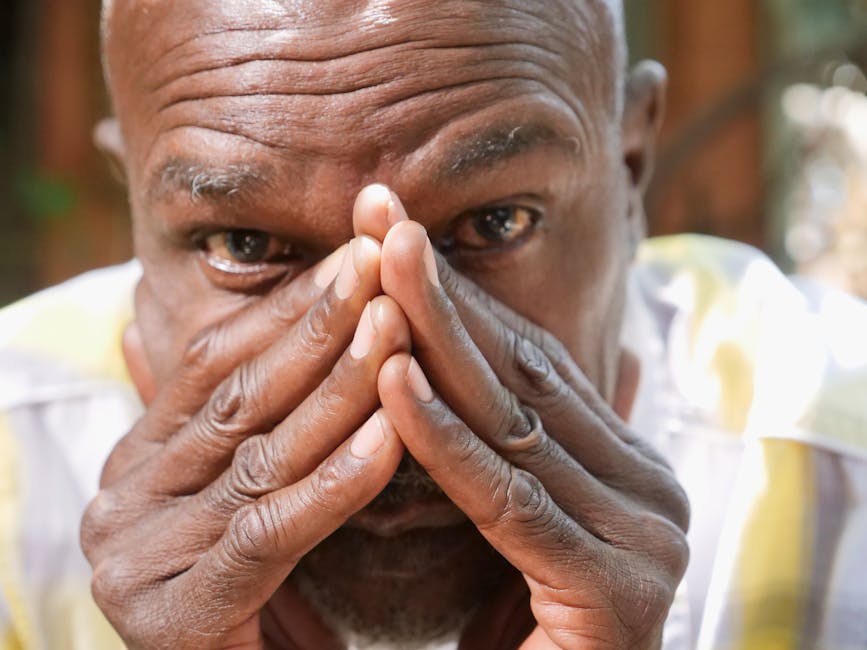
The Paradox of Vulnerability
For decades, the image of a strong man has been synonymous with toughness, stoicism, and an unyielding resolve. However, this perception is slowly but surely evolving. Today, vulnerability is being recognized not as a weakness, but as an essential component of strength. Embracing vulnerability can be transformative, empowering men to lead more authentic, connected, and meaningful lives. So, what exactly makes vulnerability such a paradoxical source of strength?
Vulnerability, at its core, is about being open to uncertainty, risk, and emotional exposure. It’s the willingness to show up and be seen, even when there are no guarantees. For many men, this can be a daunting prospect. Yet, it is through this openness that true courage is found.
A Roadmap to Authenticity
Authenticity is a buzzword that’s often thrown around, but its true meaning holds significant power. To be authentic is to be genuine, to live in alignment with your true self rather than a curated image. Embracing vulnerability allows men to break free from the shackles of societal expectations and embrace who they truly are.
Consider the story of John, a 35-year-old software engineer from San Francisco. For years, John upheld a facade of what he believed was expected of him—stoic, unflinching, and emotionally distant. Yet, he felt disconnected from those around him. It wasn’t until he began to open up to his friends and express his true feelings that he experienced a profound shift. He found deeper connections and a greater sense of self-worth not through strength, but through being vulnerable.
Cultivating Deeper Connections
Human beings are wired for connection. At the heart of meaningful relationships—whether personal or professional—lies vulnerability. By allowing others to see our true selves, we invite them to do the same. This creates a foundation of trust and empathy, essential components of any strong relationship.
Imagine a scenario in a corporate setting. A manager who is open about his challenges and admits his mistakes is often respected more than one who projects infallibility. His team feels more comfortable sharing their own ideas and issues. It’s in these environments that innovation and collaboration thrive. Embracing vulnerability here doesn’t diminish authority; it enhances it.
The Courage to Fail
Fear of failure can be paralyzing, yet it is through our failures that we often learn the most. Embracing vulnerability means accepting that failure is not just possible, but probable. It is the courage to take risks and face potential failure that leads to growth and resilience.
Take the example of Michael Jordan, one of basketball’s greatest. He famously said, “I’ve missed more than 9,000 shots in my career. I’ve lost almost 300 games. On 26 occasions I’ve been entrusted to take the game-winning shot, and I missed. I have failed over and over and over again in my life. And that is why I succeed.” His vulnerability in acknowledging those failures is what underpinned his numerous successes.
Building Emotional Resilience
Resilience is not the absence of fear, but rather the ability to navigate through it. Embracing vulnerability builds emotional resilience. It allows men to confront their fears, challenges, and emotional pain with a sense of curiosity and acceptance, rather than avoidance.
Psychologists have found that individuals who express their emotions openly are less likely to experience depression and anxiety. By confronting emotions head-on, men can develop coping strategies that reinforce their mental toughness. This doesn’t mean wallowing in emotions, but rather acknowledging and understanding them.
Practical Steps to Embrace Vulnerability
- Start Small: Begin with minor disclosures to trusted friends or family. Share a personal story or a challenge you’re facing.
- Practice Active Listening: Create a safe space for others to be vulnerable by listening without judgment. This reciprocity can make it easier to open up yourself.
- Reflect on Your Fears: Writing in a journal can help you understand what makes you feel vulnerable and why. This reflection can be the first step towards acceptance.
- Seek Professional Help: There’s no shame in talking to a therapist or counselor. They’re trained to help you navigate complex emotions safely.
Ultimately, vulnerability is not about letting our guard down completely but about choosing courage over comfort. It’s about knowing that the path to a fulfilling, connected life is paved with moments of uncertainty and emotional exposure. By 2026, embracing vulnerability is not just a progressive notion; it’s a powerful choice that redefines what it means to be a strong man.