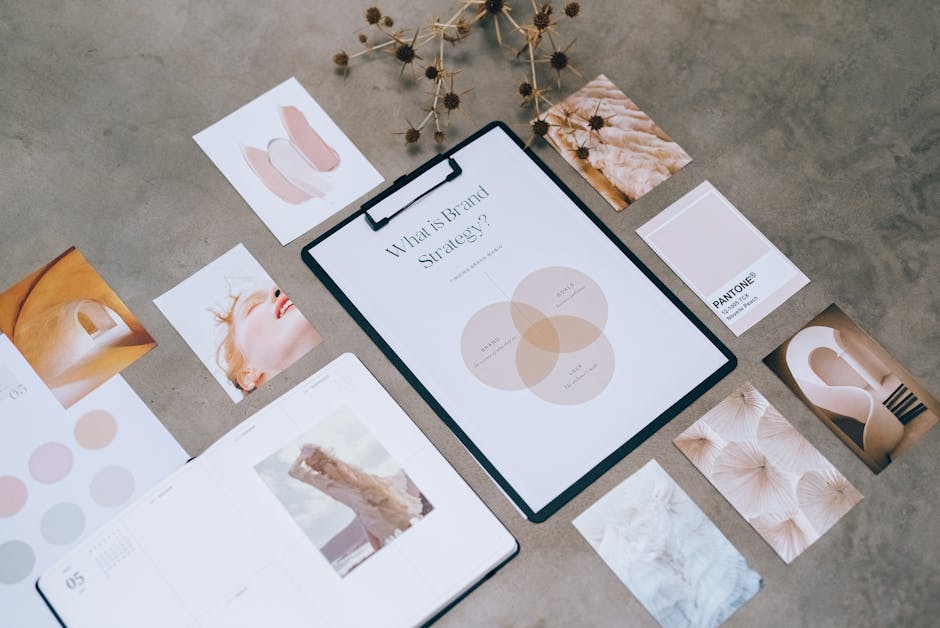
What’s in a Brand? Understanding Personal Branding
In 2026, personal branding is no longer just a buzzword; it’s a necessity for anyone looking to make a mark in their professional and personal lives. Whether you’re an aspiring entrepreneur, a corporate leader, or a creative artist, your personal brand is what sets you apart from the noise. It’s the unique combination of skills, experiences, and personality that you want the world to see.
Your personal brand is not just about self-promotion. It’s about establishing a reputation and an identity that communicates what you stand for, your values, and the value you bring to others. Take Elon Musk, for example. Regardless of how you feel about his business practices, his personal brand is clear: innovation, ambition, and pushing boundaries. Understanding this foundation is the first step in crafting your unique brand.
Building Blocks of a Personal Brand
To construct a compelling personal brand, start by identifying the core elements that define you:
- Core Values: What principles guide your decisions and actions? Honesty, creativity, perseverance—identify the values that resonate with you and align them with your brand.
- Passions: What drives you to get out of bed each morning? Whether it’s technology, art, or social change, incorporating your passions into your brand makes it authentic and relatable.
- Skills and Expertise: What are you exceptionally good at? Highlight your strengths and use them as a cornerstone of your brand.
- Unique Selling Proposition (USP): What makes you different from others in your field? Your USP is the special ingredient that makes your brand uniquely yours.
These elements are the building blocks of your brand, and they should be consistent across all platforms and interactions.
Leveraging Social Media: Your Digital Stage
Social media is a powerful tool in 2026, serving as the digital stage where you can showcase your personal brand. Platforms like LinkedIn remain essential for professional networking, while Instagram and emerging platforms like Vero cater to more personal, visual storytelling.
Consistency is key. Ensure your profiles reflect your brand’s ethos with a coherent message and aesthetic. Use your bio as a succinct elevator pitch—what is the essence of your brand that you want people to remember?
Engage with your audience actively. Respond to comments, share insights that align with your brand, and don’t shy away from showing your human side. Authenticity breeds connection, and connection strengthens your brand.
Networking: Beyond the Business Card
Networking in 2026 is about more than just exchanging business cards. It’s about building genuine relationships that can support and elevate your brand. Attend industry conferences, local meetups, and online webinars to connect with like-minded individuals.
Remember, networking is a two-way street. Offer your expertise and assistance before seeking help. Relationships built on mutual benefit are more likely to be fruitful in the long run. Consider networking as an opportunity to share your brand story and learn from others, adding value to both sides.
Authenticity: The Heart of Your Brand
Being authentic might sound cliché, but in 2026, it’s more crucial than ever. With the rise of artificial intelligence and digital personas, authenticity is what distinguishes real connections from the superficial.
Stay true to your values and beliefs, even when trends and peer pressure suggest otherwise. Your audience can sense insincerity, so remain genuine in your communications. Remember, your personal brand is a reflection of who you are, not who you think others want you to be.
The Practical Takeaway: Your Brand is Your Legacy
Your personal brand is not just an image—it’s your legacy. Invest time in developing a brand that authentically represents you, resonates with others, and leaves a lasting impact. In 2026, standing out is about blending authenticity with strategic visibility. Start small, be consistent, and watch how your personal brand can open doors to new opportunities and relationships.