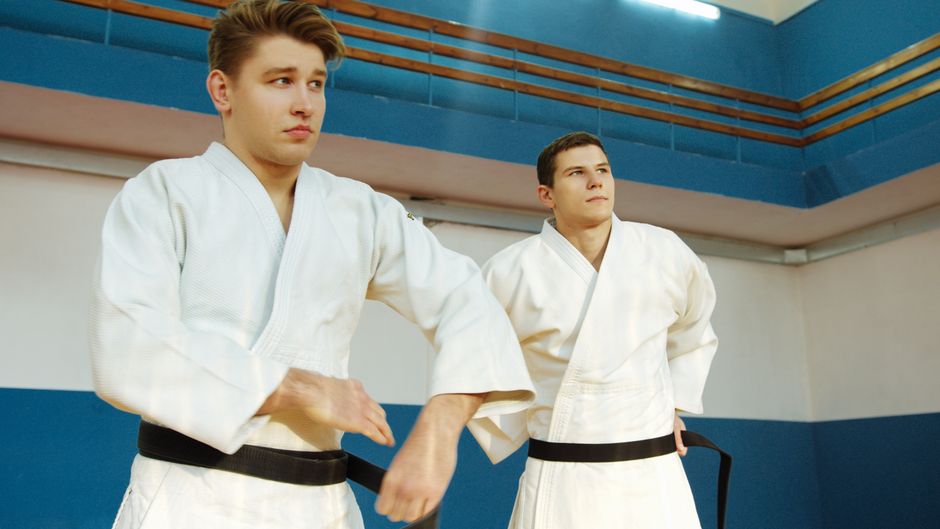
The Martial Arts Resurgence
In 2026, martial arts are experiencing a renaissance among men seeking more than just exercise. As work-life balance becomes a priority, martial arts offer the perfect blend of physical fitness, mental discipline, and self-defense skills. Unlike the gym, where routines can become monotonous, martial arts schools—dojos—offer dynamic environments where learning and growth are constant. With the rise of hybrid work models, men are looking for activities that provide not just physical benefits but also psychological and social enrichment.
Finding the Right Style for You
With dozens of martial arts styles available, picking the right one can seem daunting. However, it ultimately boils down to your personal goals. If you’re looking for a meditative practice that focuses on balance and flexibility, tai chi could be your calling. For those seeking intense cardio and self-defense, Muay Thai or Brazilian Jiu-Jitsu (BJJ) may be the answer. For a traditional approach that emphasizes discipline, Karate or Taekwondo might suit you best.
Consider your personal goals and research nearby dojos. Most offer trial classes, so you can sample a few styles before committing. For instance, New York City boasts a variety of dojos, from Krav Maga schools focusing on self-defense to aikido studios promoting harmony and peaceful resolutions.
Reaping the Benefits Beyond the Mat
The benefits of martial arts extend far beyond physical fitness. They instill a sense of discipline and focus that translates into the workplace. Stress reduction is another key benefit, linked to the mindfulness and breathing techniques inherent in training. As you improve, you’ll find your confidence boosted, not just in sparring sessions but in daily life.
Take BJJ practitioner Mark Robinson from Austin, Texas. He credits his twice-weekly training sessions with helping him manage stress from his tech job, citing improved concentration and a calmer demeanor during high-pressure meetings.
Community and Camaraderie
One of the often-overlooked aspects of martial arts is the strong sense of community it fosters. Dojos are a melting pot of ages, backgrounds, and experiences, united by the pursuit of mastering an art form. The informal bonds formed during sparring sessions and after-class discussions can evolve into lifelong friendships.
In Los Angeles, the Japanese Karate Association regularly hosts social gatherings, from barbecues to movie nights, helping practitioners connect beyond the dojo. This sense of belonging contributes significantly to overall well-being, making martial arts an appealing choice for men seeking social connection in an increasingly digital world.
From Novice to Black Belt: Setting Your Journey
Embarking on a martial arts journey is as much about the destination as it is about the journey. Set realistic goals and milestones. Transitioning from a novice to a seasoned martial artist takes time and commitment. Celebrate small victories, whether it’s perfecting a new technique or moving up in belt rank.
Consider setting a timeline for your goals, such as earning your first stripe in BJJ within the first six months, or mastering a specific form in Kung Fu by the year’s end. Document your progress through a journal or blog, and don’t hesitate to share your journey with others—both online and in the dojo—who can offer support and encouragement.
Practical Takeaway: Prioritize and Start
So, how do you get started? Begin by identifying what you want out of martial arts—fitness, self-defense, stress relief, or community. Find a local dojo that resonates with your goals, and commit to a trial class. Once you’ve found your fit, immerse yourself fully, embracing both the physical and mental challenges.
Remember, the martial arts journey is a marathon, not a sprint. Consistency and dedication are your best allies. Embrace the process, enjoy the growth, and watch as the benefits permeate every aspect of your life.