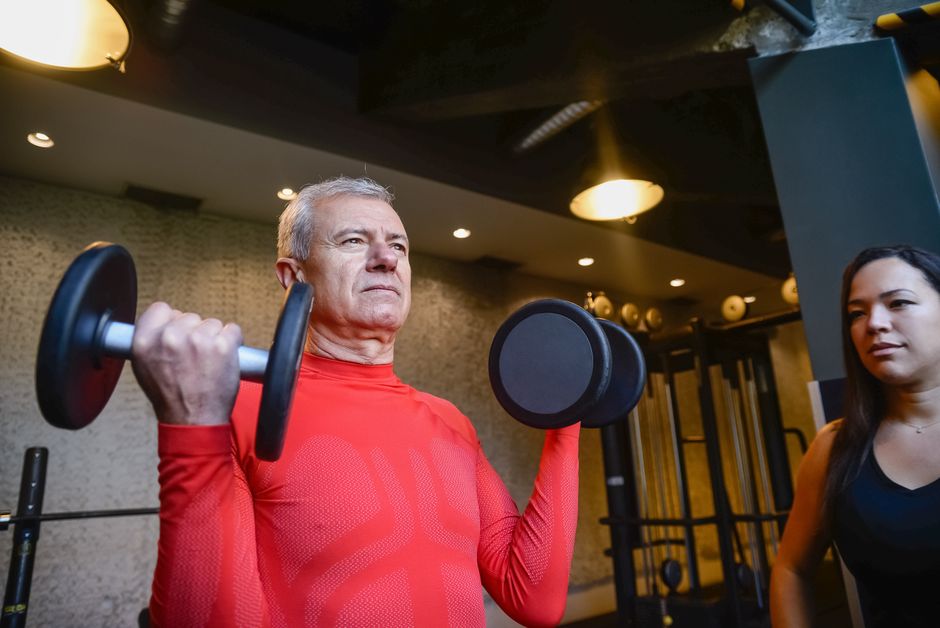
Embracing Longevity in Sports
For many aging athletes, the quest to stay competitive while maintaining health can feel like a tightrope walk. Balancing performance and longevity has never been more critical as more men seek to extend their athletic prime. Welcome to 2026, where innovative approaches to fitness and wellness are redefining what it means to be an older athlete. Whether you’re training for a marathon, perfecting your golf swing, or just want to keep up in your weekly tennis league, we’ve got some essential insights.
The Importance of Recovery
Recovery is no longer just a buzzword—it’s a crucial component of any training regimen, especially for those past their physical peak. In 2026, recovery technology is more accessible and effective than ever. Devices like the Hypervolt Pro 3.0 offer percussive therapy that was once only available to elite athletes. Moreover, we now have access to infrared sauna blankets that enhance circulation and expedite muscle repair. Integrating these into your routine could mean the difference between a one-season wonder and a career that spans decades.
Nutrition: Fueling the Older Body
As we age, our bodies require different nutrients to maintain peak performance. The age-old adage ‘you are what you eat’ holds even greater significance. Modern science has introduced us to diets tailored for longevity. Take the Blue Zones Diet, inspired by regions where people live the longest. This diet emphasizes plant-based foods, lean proteins, and healthy fats. In 2026, supplements like NMN (Nicotinamide Mononucleotide) are renowned for their potential to improve cellular energy and combat aging. A balanced diet complemented by targeted supplements can be a game-changer for athletic longevity.
Adapting Your Training Regimen
A decade ago, the mantra was ‘train harder.’ Now, it’s ‘train smarter.’ For older athletes, knowing how to adjust training intensity is key. Opt for high-intensity interval training (HIIT) to maintain cardiovascular health without the strain of long-distance running. Incorporate yoga or pilates for flexibility and core strength. And don’t underestimate the importance of mental training. Techniques such as mindfulness and visualization can enhance focus and resilience, giving you a mental edge in competition.
Community: The Social Aspect of Sports
There’s more to sports than individual performance. Participating in community sports leagues or joining teams not only provides motivation but also adds a social element that enhances emotional well-being. In 2026, virtual sports communities supplement our traditional teams. Platforms like Strava, now equipped with VR integration, allow you to compete with others from the comfort of your home. These communities offer support, programming, and a sense of camaraderie, making your athletic endeavors more fulfilling.
Practical Takeaway: Charting Your Course
As we look at the horizon of competitive athletics for older men, it’s clear that the tools and strategies available today can significantly extend your playing years. Embrace recovery, refine your diet, and adapt your training to your body’s current needs. Engage with your community, both on and offline, to stay motivated and connected. The road to athletic longevity is a marathon, not a sprint, and with these strategies, you’re well on your way to mastering it.